Dance On Ensemble
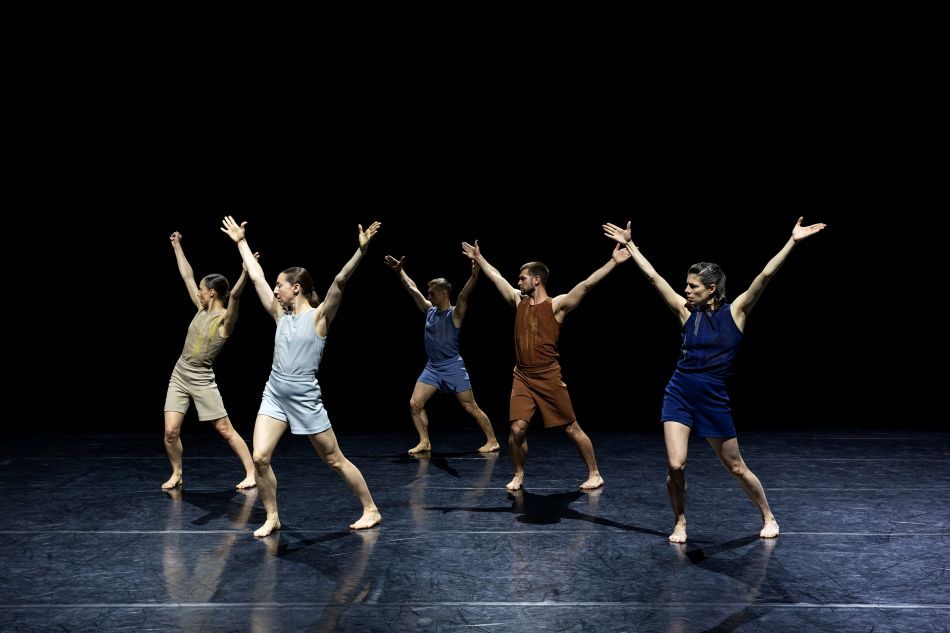
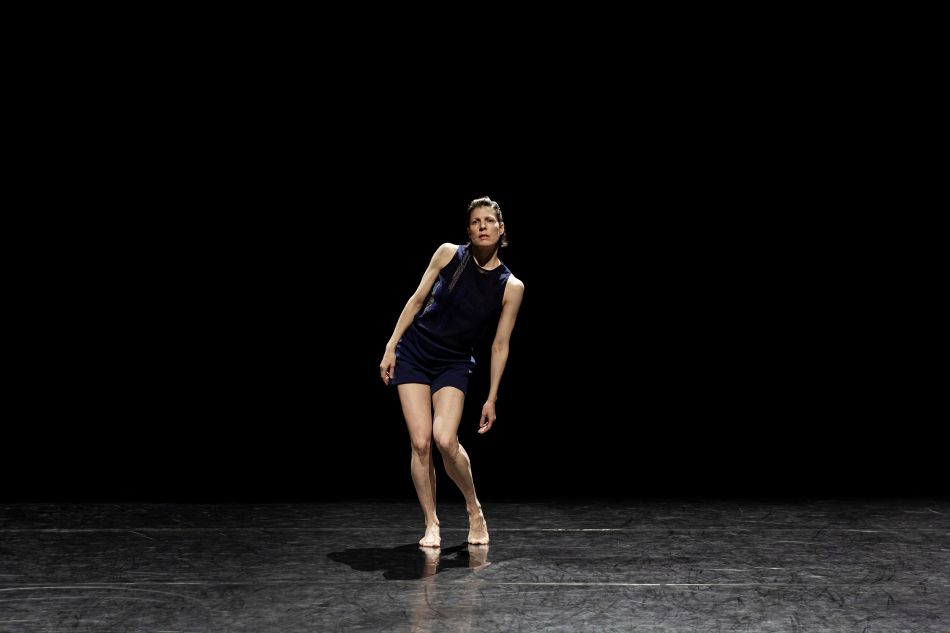
A Suite of Dances – Noa Eshkol
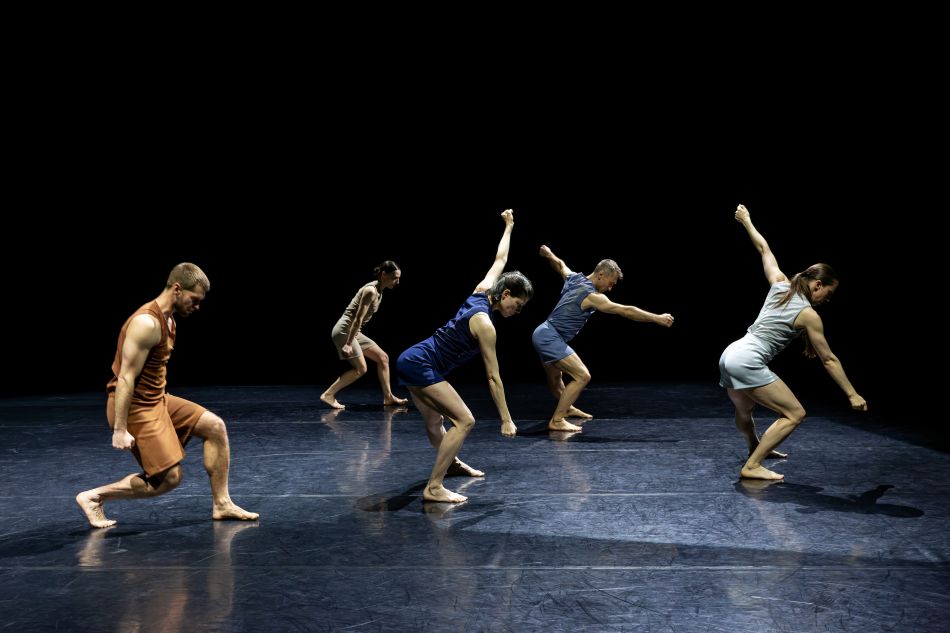
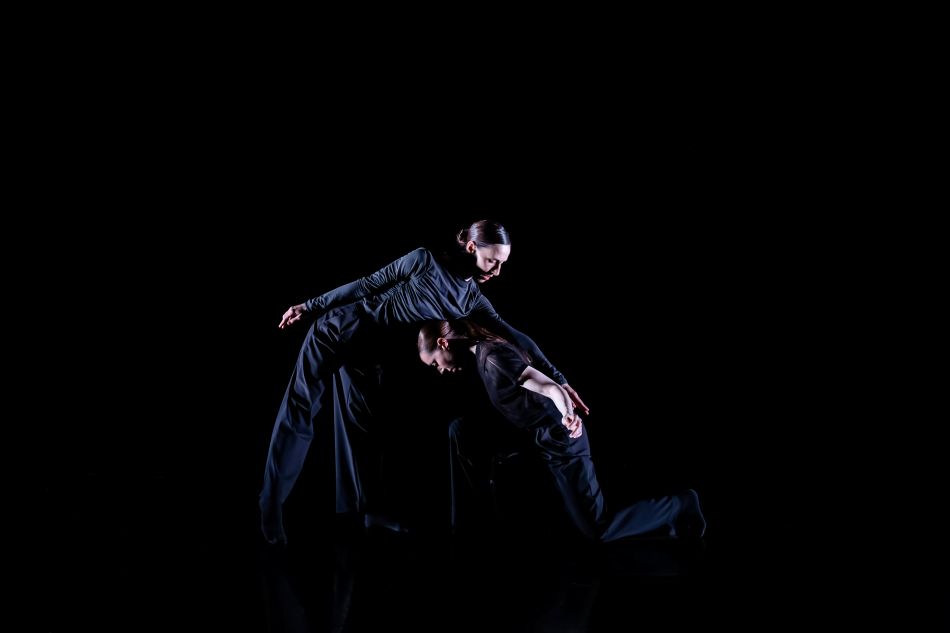
A Day in the Studio – Noé Soulier
A Suite of Dances
Dance Compositions / Choreography: Noa Eshkol
Staging: Mor Bashan (The Noa Eshkol Chamber Dance Group)
Staging Assistant: Dror Shoval (The Noa Eshkol Chamber Dance Group)
Sound Design: Mattef Kuhlmey
Costume: Werkstattkollektiv
Selected pieces from Noa Eshkol’s dance suite “Theme and Variations”:
Jacob Rachel and Lea (2) (early 1960s), Duet (5) (early 1960s), Skilla (6) (early 1960s), Fugue (0) (early 1970s), March (1) (early 1960s), Minuet (0,3) (early 1960s)
A Day in the Studio
Choreography: Noé Soulier
Costume: Chiara Valle Vallomini
Music: A Day in the Studio, Hanne Lippard (2020); Portals, Jana Irmert (2025); Phase III, Lucy Railton (2025)
A Suite of Dances – A Day in the Studio
Performance: Javier Arozena, Alba Barral Fernández, Anna Herrmann, Dominic Santia, Gesine Moog, Lia Witjes Poole, Marco Volta (5 dancers with an alternating cast)
Light & Technical Direction: Martin Beeretz
Sound: Mattef Kuhlmey
Artistic Direction Dance On Ensemble: Ty Boomershine
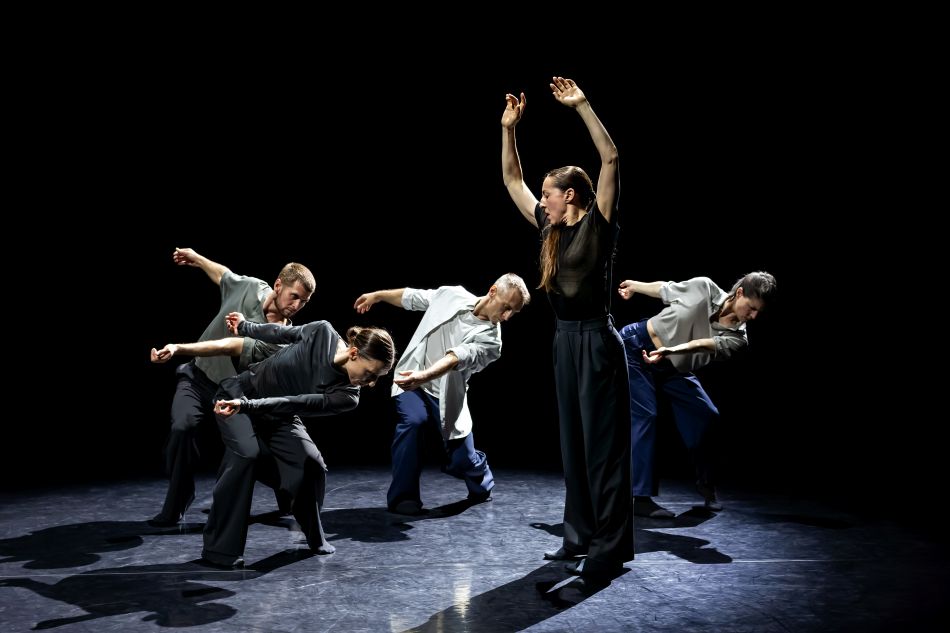
A Suite of Dances – A Day in the Studio is the fourth production in the “Replies” series, in which the Dance On Ensemble invites contemporary choreographers to engage with iconic works of modern and postmodern dance from their own artistic perspectives. Following earlier editions dedicated to Merce Cunningham and Mathilde Monnier, Lucinda Childs and Panzetti / Ticconi as well as Martha Graham and Tim Etchells, the ensemble now turns to the work of Noa Eshkol (1924–2007). Revealing a striking formal precision and intricately structured movement language, her choreographic compositions enter into dialogue with a newly created work by choreographer and dancer Noé Soulier.
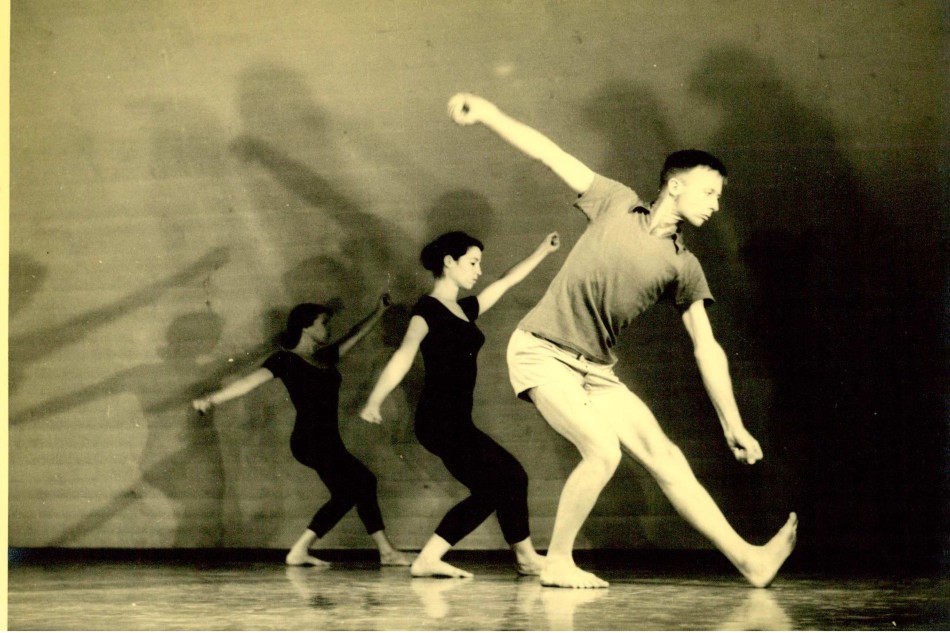
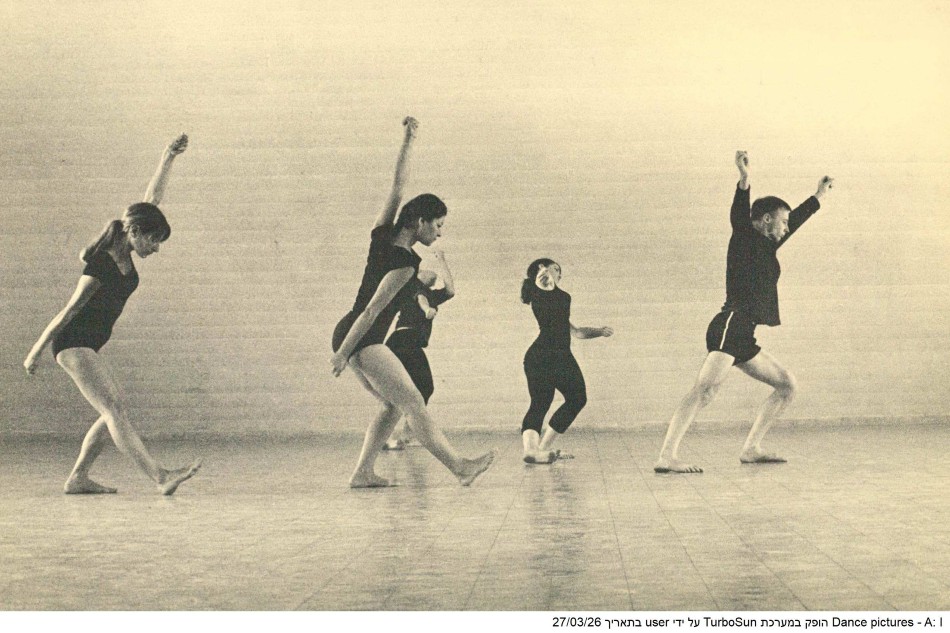
Noa Eshkol’s artistic practice was defined by an uncompromising commitment to essentials. Rooted in a profound understanding of the body and its spatial relationships, she created rigorously articulated choreographic compositions shaped through the movement notation system she developed together with architect Avraham Wachman: the Eshkol-Wachman Movement Notation (EWMN), a unique system for composing, recording, and analysing movement. In 1954, she founded the Noa Eshkol Chamber Dance Group, through which her choreographic works were continuously developed and performed.
Now, for the first time, dancers outside this group perform Eshkol’s works. The dancers of the Dance On Ensemble bring artistic maturity, precision, and their openness to the challenging movement structures of this approach. Guided by Mor Bashan, longtime dancer with the Noa Eshkol Chamber Dance Group and now stager and archive manager, together with her assistant Dror Shoval, the Ensemble dancers enter into Eshkol’s choreographic system at its core – engaging with the fundamental movement principles that structure the compositions at every level, and revealing the richness, formal inventiveness, and poetic resonance of her work. The evening features works from the earliest cycle of “Theme and Variations” (1965), Eshkol’s first dance suite using the EWMN, together with a later work from the 1970s.
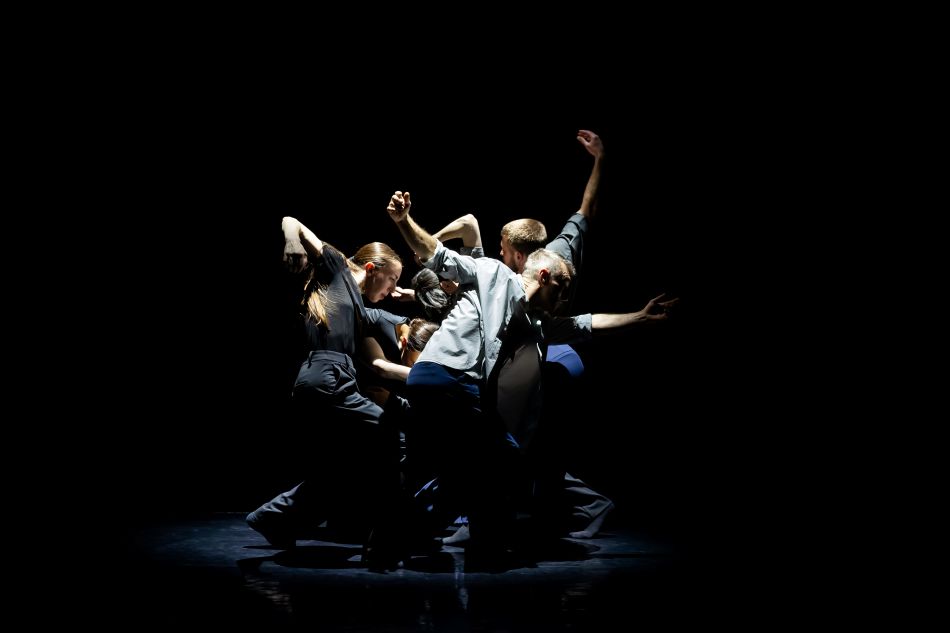
The second part of the evening, A Day in the Studio, is choreographed by Noé Soulier and reflects Noa Eshkol’s radical use of geometry within a contemporary choreographic language. Eshkol’s systematic and rigorous approach to spatial organisation forms a central conceptual point of reference, not as a model to be reproduced, but as a framework for rethinking how movement can be composed, articulated, and perceived.
Soulier’s practice is rooted in embodied experience and in situations where physical, sensory, and affective dimensions are closely interwoven. In A Day in the Studio he isolates actions such as hitting, avoiding, or throwing from their original functional contexts, allowing them to generate distinct qualities of acceleration, momentum, and tension. These shifts in intensity give movement an affective charge that operates independently of narrative structures. By directing actions toward imaginary objects, another performer’s body, or the performer’s own body, the choreography activates bodily memory, kinesthetic empathy, and sensory responsiveness in the spectator.
In the duet opening and closing A Day in the Studio, geometry is not employed as a system of control, but as a spatial and compositional framework that foregrounds trajectories of movement while simultaneously opening them to variation and spontaneity. This principle extends into the group sections of the work. While the movement phrases are carefully composed, their organisation remains deliberately flexible: performers may reorganise phrases or reorient them in space in real time. The choreography thus unfolds through decisions made in the moment and establishes conditions for processes of transformation and structuring – within the individual body as well as in the evolving constellations between performers.
Premiere: 6 & 7 July 2026, Julidans Amsterdam
Production: DANCE ON / Bureau Ritter
In collaboration with Cndc Angers.
Funded by the Kulturstiftung des Bundes (German Federal Cultural Foundation). Funded by the Beauftragte der Bundesregierung für Kultur und Medien (Federal Government Commissioner for Culture and the Media).
Part of DanceMap, funded by Horizon Europe, the European Union’s funding programme for research and innovation.
DANCE ON is a project by BUREAU RITTER, funded by the German Federal Government Commissioner for Culture and the Media.